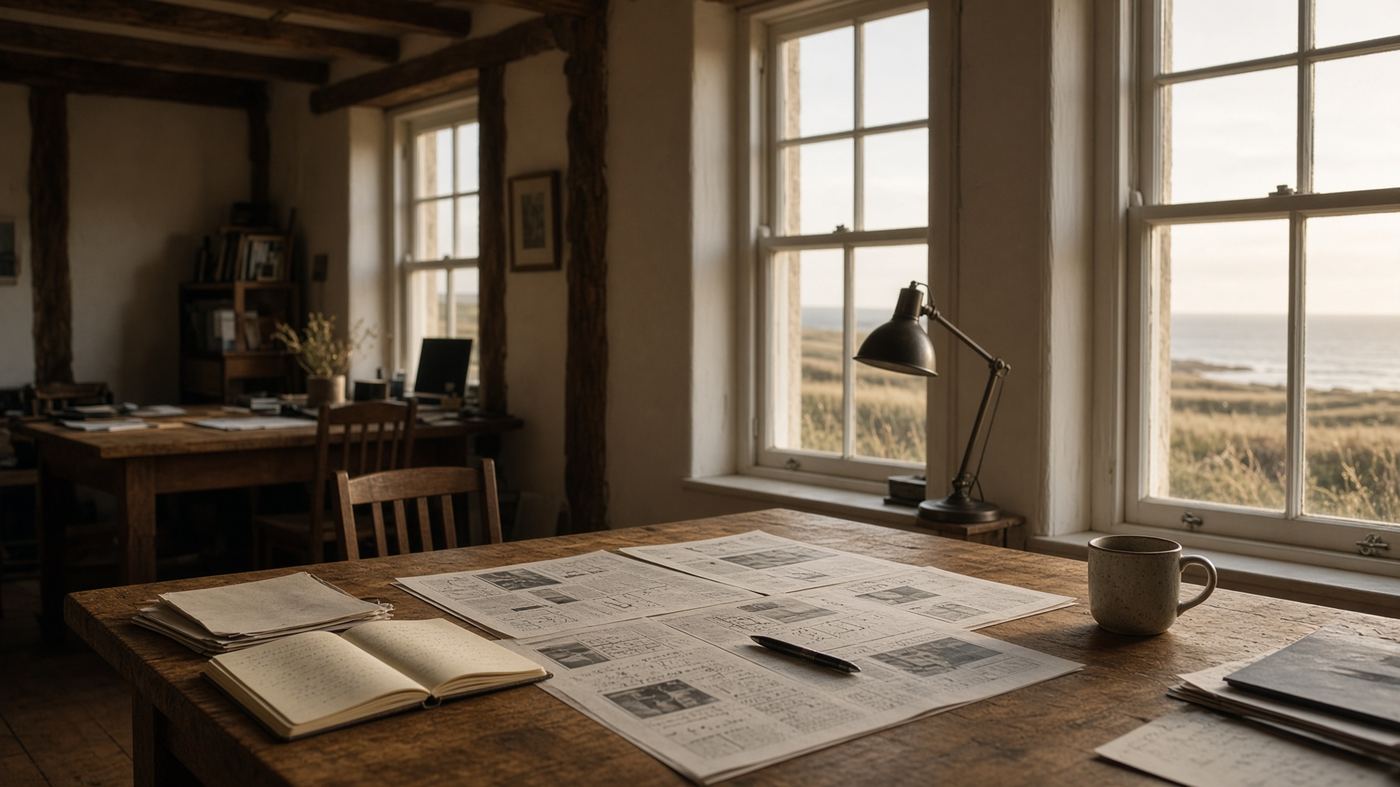
Independent media, made in Angus
The UK still has a press. Too little of it is independent.
Decanate Foundry maps alternative media and independent journalism in Britain — who owns the titles, who funds the investigations, which towns have lost a reporter, and how to read the rest with a cold eye.
What we cast
A decanate is a ten-degree slice of the sky — finer than a sign. We look at the British press the same way: not as one weather system called “the media”, but as smaller climates of ownership, law, money, and habit.
01
The landscape
Three groups still dominate national newspaper circulation. Around them sit reader-funded titles, co-ops, non-profits, and a long tail of partisan sites that should not be confused with independent reporting.
02
Investigations
How independent desks actually work: FOI, consortium reporting, source protection, and the public-interest test — without the mythology.
03
Regulation
IPSO, IMPRESS, Ofcom, the Leveson remainder, SLAPPs, and the journalism exemption in UK data law.
04
Newsrooms
A field guide to the independent titles we actually read: TBIJ, Byline Times, The Ferret, The Bristol Cable, and the rest of the working press outside the chains.

05
Local press
News deserts, chain ownership of weeklies, and the civic cost when a town loses its court reporter.
Why independence is a method, not a mood
“Alternative media” is a baggy phrase. It covers non-profit investigations, member papers, partisan digital brands, and outright disinformation. We keep those apart.
Ownership is not a conspiracy theory. It is a public record, and it predicts what gets a desk.
Concentration
News UK, DMG Media, and Reach still account for most national newspaper circulation. Local weeklies sit under a handful of groups. Plurality is not a vibe; it is a count of owners.
Funding
Reader membership, co-op shares, philanthropic grants, and subscriptions are how independent desks stay off the advertising treadmill. Each model has limits. We write them down.
Standards
Independence is worthless without method: named sources where possible, documents on the record, a corrections page, and a regulator or an editors’ code that can actually bite.
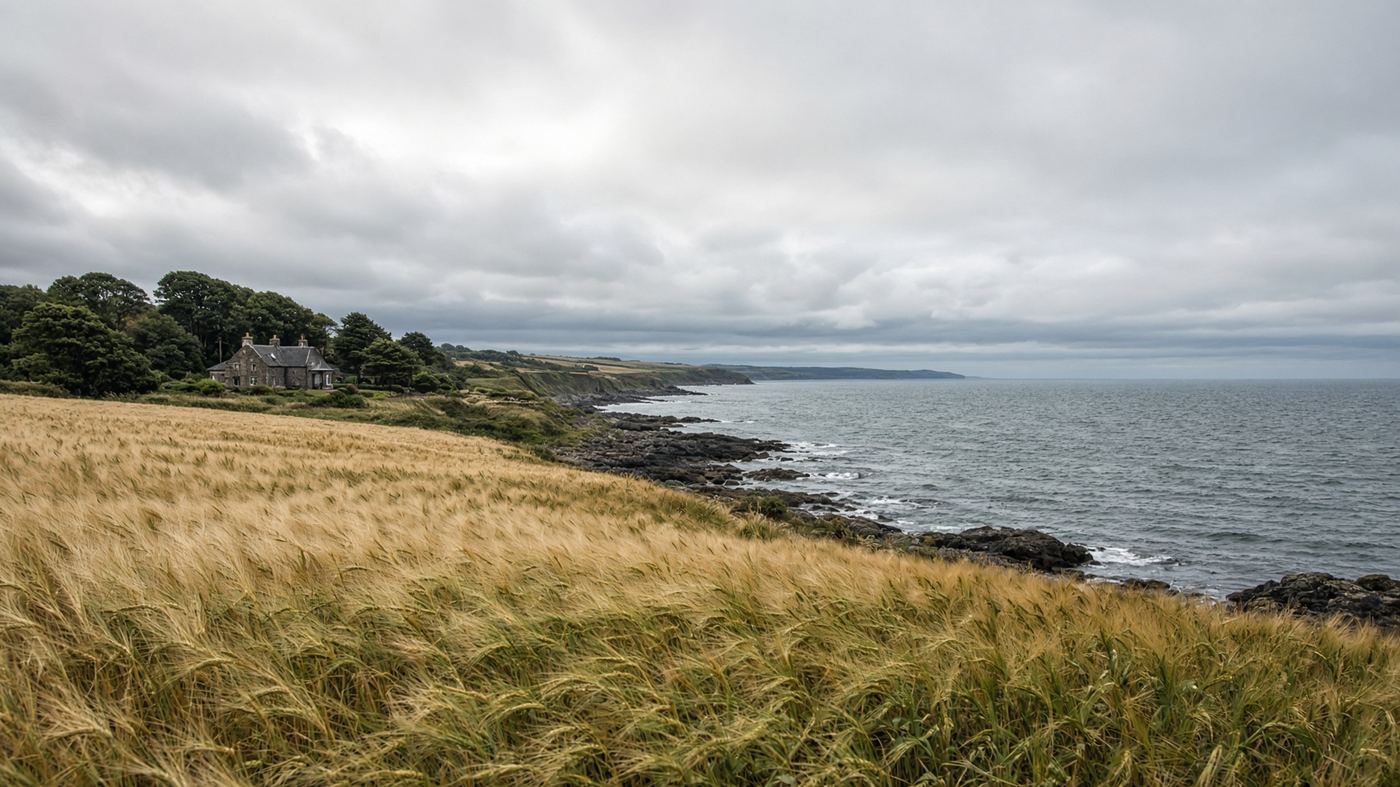
From East Scryne
Written off the London gravity well
The foundry sits at East Scryne Farm, between Carnoustie and the North Sea. Most of the British media conversation still happens inside the M25. Scotland, the north of England, Wales, and Northern Ireland run different legal systems, different local papers, and different public-service settlements. We start from here because the view is clearer.
About the foundryBriefings, corrections, and research queries
If you edit an independent title, teach journalism, or need a map of the UK’s non-chain press, write to us at East Scryne. We answer mail. We do not run a news desk.
Write to the foundry