FOI and FOISA
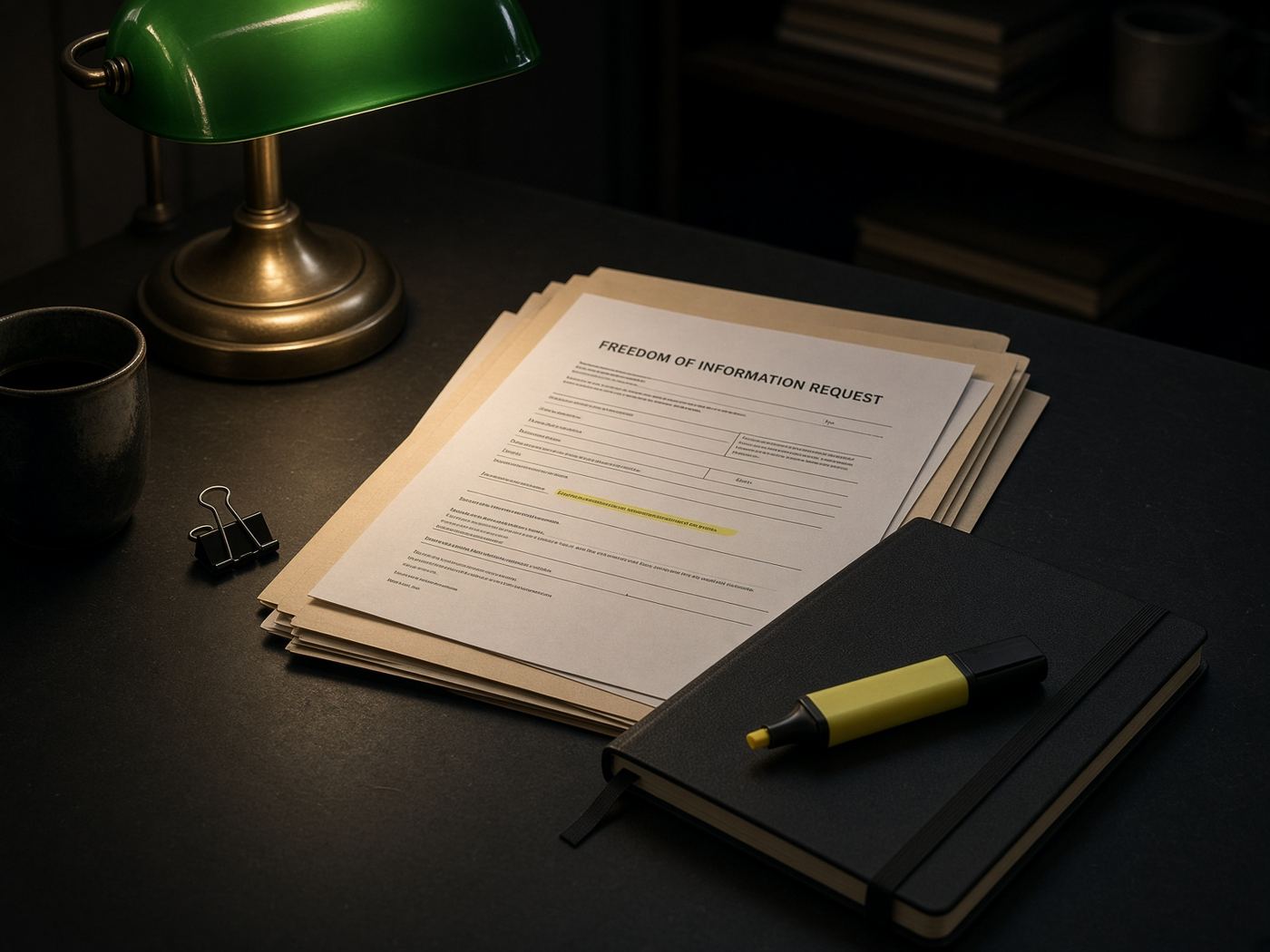
The Freedom of Information Act 2000 covers English, Welsh, and Northern Irish public authorities. Scotland has FOISA 2002 — a different statute, a different commissioner, different deadlines.
Investigations
Independent desks exist because commercial newsrooms cannot always keep a reporter on a housing scandal, a family court, or an overseas military contract for six months. Method is the whole point.
British journalism is allowed to do things ordinary data processing is not — including publishing personal data — when the work is in the public interest and the journalism exemption in data-protection law applies. That is not a free pass. It is a test: is there a serious harm or a serious abuse of power that the public has a right to know about, and have you taken reasonable steps to be accurate?
Independent newsrooms lean on this harder than lifestyle sites. The ones worth reading publish their corrections, name the documents, and do not hide behind “sources say” when the document is already on the record.
The Freedom of Information Act 2000 covers English, Welsh, and Northern Irish public authorities. Scotland has FOISA 2002 — a different statute, a different commissioner, different deadlines.
TBIJ and others publish with partners so a local paper can run a national investigation with a local byline.
Open justice is shrinking in practice even where it remains in law. Independent desks are often the only ones left in the press bench.
The National Security Act 2023 tightened the climate around official secrets. Independent foreign-policy reporting has to be lawyered earlier than it was a decade ago.
Strategic lawsuits against public participation are a structural weapon against independents. Talk of anti-SLAPP procedure is not yet a shield.
Procurement databases, Companies House, land registry, charity accounts. The independent advantage is time. The independent risk is getting the spreadsheet wrong.
If you are a student, a local editor, or a researcher looking for a map of how UK independents actually investigate, start with a note to the foundry.
Write to the foundry